


From Priessnitz to Malvern: the roots of modern hydrotherapy
Modern hydrotherapy is widely associated with the work of Vincenz Priessnitz (1799–1851), whose simple water-based healing methods became known across Europe in the nineteenth century. His approach influenced physicians, spa traditions and water-cure centres far beyond Central Europe — including Great Malvern, where his ideas helped shape one of Britain’s best-known hydrotherapy traditions.
 Officially endorsed by the Malvern Spa Association (MSA)
HydroCure Wraps® are inspired by this tradition: a simple, reusable wrap based on the classic cool-moist Priessnitz method, redesigned for practical use in modern life.

A British landscape shaped by the wider European water-cure tradition.
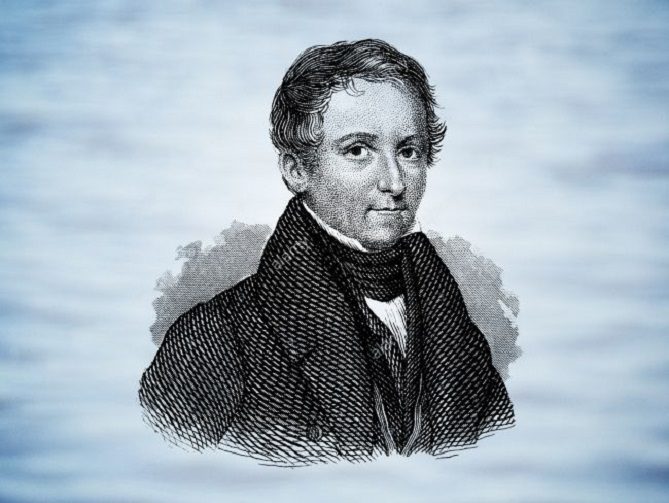
Vincenz Priessnitz and the beginning of the Water Cure
The story of modern hydrotherapy begins with Vincenz Priessnitz (1799–1851), a pioneering water healer from the mountains above Jeseník in what is now the Czech Republic. Working with remarkably simple means, he developed an approach based on cold water, fresh air, movement and rest — a system that stood in sharp contrast to the harsher medical treatments of his time.
Priessnitz became known for using wet compresses, baths and carefully timed cooling and warming applications to support the body’s own natural response. His methods attracted patients from across Europe, and the small mountain settlement of Gräfenberg became internationally famous as a centre of the “Water Cure”.
“Later, when I saw on many occasions that wounded animals seek water and bathe in it, I thought that it must do the same for humans.” – Vincenz Priessnitz
Priessnitz is widely regarded as one of the foundational figures of modern hydrotherapy. His work helped establish water-based healing as a serious natural tradition across nineteenth-century Europe.
From Jeseník to “Gräfenberg in England”
Priessnitz’s influence did not remain limited to his mountain homeland. Among the many visitors to Gräfenberg were physicians and health reformers from Britain, who recognised in his methods a compelling alternative to conventional medicine.
In 1842, Priessnitz-inspired hydrotherapy was brought to Great Malvern. With its pure spring water, elevated air and steep walking routes, Malvern offered natural conditions that echoed the environment of Gräfenberg. It soon became one of Britain’s most respected water-cure destinations.
Why Malvern mattered
- Pure spring water for drinking, bathing and external applications.
- Fresh hillside air believed to support strength and recovery.
- Walking and routine as part of a disciplined healing regimen.
- A natural approach that appealed to those seeking gentler care.
The Water Cure in context
- 1799 – Vincenz Priessnitz is born in the mountains above Jeseník.
- 1820s–1830s – He develops and refines his Water Cure using cold water, fresh air, movement and rest.
- 1842 – Priessnitz-style hydrotherapy is introduced to Great Malvern.
- 1840s–1850s – Malvern grows into a major British water-cure centre, sometimes described as “Gräfenberg in England”.
- Later nineteenth century – Hydrotherapy traditions continue to spread through Britain and Europe.
- Today – The Malvern Spa Association helps protect this heritage and supports modern projects that honour it, including HydroCure Wraps®.
Priessnitz, Kneipp and the growth of hydrotherapy
The influence of Priessnitz continued through later natural health movements, including the work of Sebastian Kneipp (1821–1897), the Bavarian priest and natural healer who further popularised water-based healing in everyday life.
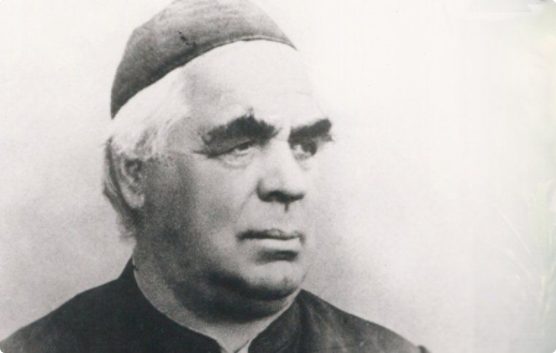
Kneipp built on earlier hydrotherapy traditions and connected them with a broader philosophy of lifestyle balance, movement, simple nutrition and respect for the body’s natural rhythms. Together, these traditions helped shape the wider European understanding of water as a tool for restoring balance and supporting health.
“The water bestowed upon us by our Creator and the choice herbs of the plant kingdom do the essentials — cure disease and keep the body healthy.” – Sebastian Kneipp
Across these traditions, one core idea remained constant: that the body, when given the right conditions, has its own capacity to respond, regulate and recover.
A traditional method for modern life
Although the language of health has changed, the appeal of hydrotherapy remains strikingly relevant today. Its principles are simple: careful cooling, gentle insulation and the body’s own reactive circulation.
HydroCure Wraps® follow this same logic through a practical modern design: a cool, moist inner cotton layer covered by an insulating outer layer, allowing the traditional wrap method to be used more easily at home.
HydroCure Wraps do not invent a new wellness trend. They bring a long-standing Central European water-wrap tradition into contemporary everyday use — while also honouring its British continuation in Malvern.
Explore a tradition reimagined for today
Rooted in the heritage of Priessnitz hydrotherapy and connected to Malvern’s water-cure history, HydroCure Wraps® make a traditional method simple, practical and accessible for modern home use.
Shop HydroCure Wraps® How the method works